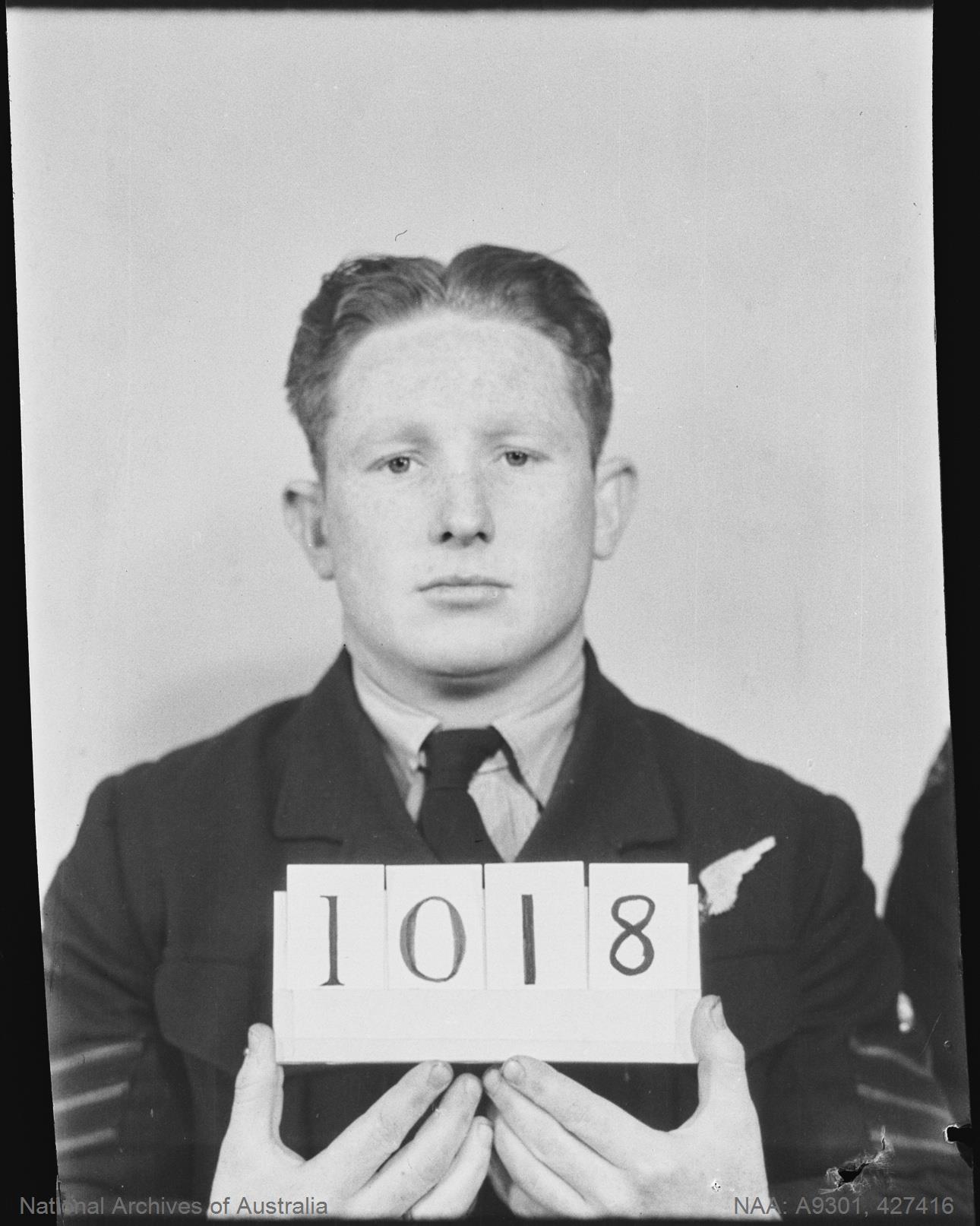
During the Second World War, countless personal tragedies unfolded far from the home front, epitomised by the harrowing fate of Flight Sergeant Lewis Walter Calder (older brother of alumni student Rhea Calder).
Originally a bank clerk from Perth, Lewis answered the call to service in July 1942. Soon after marrying in December that year, he underwent further training as a wireless air gunner and was later deployed to the European theatre, operating over the heavily contested territories of Yugoslavia.
On October 17, 1944, Flight Sergeant Calder’s aircraft failed to return, and he was officially reported missing. However, a flicker of hope emerged shortly afterward when news arrived that he’d survived. Calder had been rescued by Yugoslav partisans, who transported him to a clandestine, makeshift hospital to receive treatment for a broken ankle.
Tragically, this sanctuary proved short-lived. The hospital’s secret location was betrayed to German forces. In a brutal act of retaliation, troops belonging to an SS division descended upon the facility and set the building ablaze.
Immobilised by their injuries, Flight Sergeant Calder and all other patients who were unable to move were deliberately burned alive inside the structure. Though the exact identity of the specific SS unit responsible for this war crime was eventually established, the atrocity stands as a grim testament to the harsh realities faced by Allied service members and local resistance fighters alike.